
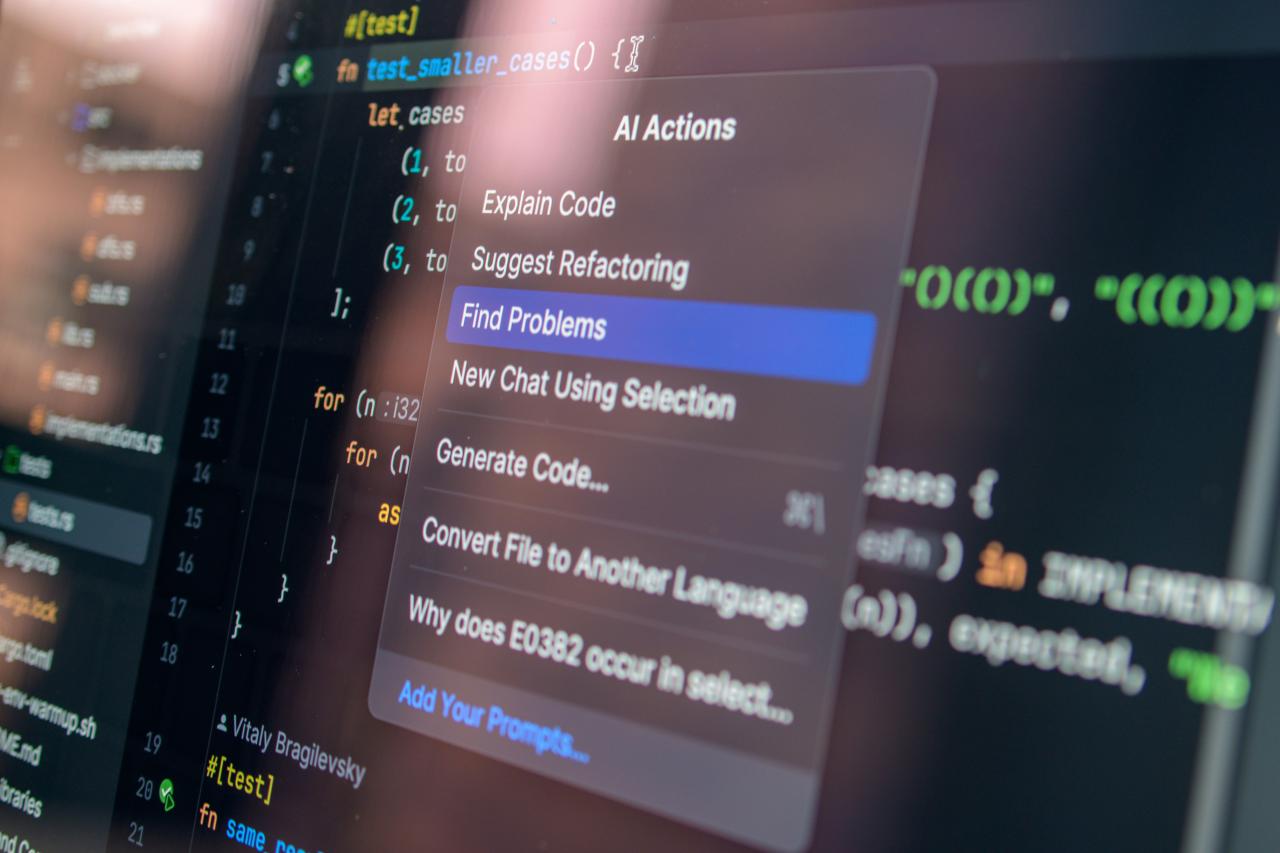
The legal industry is currently undergoing a massive digital transformation driven by the power of artificial intelligence. For decades, lawyers and paralegals have spent countless hours manually reviewing hundreds of pages of dense legal text to identify risks and obligations. This traditional method is not only incredibly slow but also prone to human error due to fatigue and the sheer volume of data.
AI-driven contract analysis software has emerged as a game-changing solution that can scan thousands of documents in a fraction of the time it takes a human. These tools use natural language processing to understand context, identify specific clauses, and flag potential legal “red flags” automatically. By implementing these technologies, law firms and corporate legal departments can focus their energy on high-level strategy rather than administrative drudgery.
The ability to extract actionable insights from a vast database of contracts provides a significant competitive advantage in today’s fast-moving business world. Understanding which platforms offer the best accuracy and scalability is essential for any legal professional looking to modernize their practice. This comprehensive guide will explore the top-tier solutions currently redefining the standard for legal contract management and analysis.
A. The Evolution of Natural Language Processing
Modern AI contract tools rely heavily on advanced Natural Language Processing (NLP) to read and interpret legal jargon just like a human would. Unlike basic keyword searching, NLP understands the intent and relationship between different sentences and paragraphs within a document. This allows the software to find a “Termination Clause” even if that specific phrase is never used in the heading.
As these models are trained on millions of existing legal documents, they become increasingly accurate at predicting risks. They can distinguish between a standard liability cap and one that is highly unusual or dangerous for the firm. This technology has effectively turned legal documents into searchable, structured data that can be analyzed at scale.
B. Automated Clause Extraction and Categorization
One of the most time-consuming tasks in legal work is finding specific provisions across a massive portfolio of varied contracts. AI software can automatically extract clauses related to indemnification, force majeure, or non-compete agreements and group them together for easy review. This categorization allows a user to see how different contracts handle the same issue across an entire organization.
This feature is particularly useful during a merger or acquisition where thousands of documents must be audited in a very short timeframe. Instead of reading every page, the AI highlights only the parts that require the attorney’s specific attention. It creates a much more efficient workflow that ensures no critical detail is ever overlooked by the team.
C. Risk Assessment and Redlining Capabilities
Advanced AI platforms do more than just read; they provide a qualitative assessment of the risks contained within the text. The software can compare a new contract against the firm’s “gold standard” or “playbook” to see where the language deviates. If a clause is too favorable to the other party, the AI will flag it and suggest pre-approved alternative language.
This automated redlining process speeds up the negotiation phase of a business deal by several days or even weeks. It ensures that every contract signed by the company adheres to strict internal policies and risk thresholds. By catching high-risk terms early, the software prevents expensive legal disputes from occurring years down the road.
D. Centralized Contract Repositories
A major problem for large corporations is simply knowing where all their active contracts are physically or digitally located. AI solutions often include a centralized repository where all documents are stored, indexed, and made fully searchable. This “single source of truth” prevents the loss of important paperwork and makes the legal department much more organized.
Users can set up automated alerts for important dates, such as contract expiration or renewal deadlines. This prevents “auto-renewals” on unfavorable terms that might otherwise cost the company millions of dollars annually. Having a birds-eye view of every active agreement is a fundamental requirement for modern corporate governance.
E. Integration with Existing Legal Tech Stacks
The best AI contract tools are designed to play nicely with the software your team is already using every day. This includes seamless integrations with Microsoft Word, email platforms, and existing Document Management Systems (DMS) like iManage or NetDocuments. A lawyer should be able to run an AI analysis without ever leaving the document they are currently editing.
Integration with Customer Relationship Management (CRM) tools like Salesforce is also a common feature for sales-focused organizations. This allows sales teams to generate and vet contracts directly from their lead management dashboard. Smooth data flow between different departments eliminates friction and ensures that everyone is working with the latest document version.
F. Enhancing Due Diligence in M&A
During a merger or acquisition, the due diligence process is often the most stressful and labor-intensive part of the entire deal. AI contract analysis can process tens of thousands of documents in hours, identifying “change of control” provisions that could derail the transaction. This speed allows the deal team to identify deal-breakers early before too much money is spent on the acquisition.
The software can also generate comprehensive summary reports that give executives a clear picture of the target company’s total obligations. This data-driven approach to due diligence leads to more accurate valuations and better negotiation leverage. AI has effectively removed much of the “guesswork” and manual labor from the M&A process.
G. Multilingual Support and Global Compliance
Global corporations deal with contracts written in many different languages, each with its own unique legal nuances and local regulations. Top AI platforms offer multilingual support, allowing the system to analyze a contract in Spanish or Mandarin just as easily as in English. This is vital for maintaining consistent standards across a diverse international business empire.
The software can also be updated to reflect changes in local laws, such as new privacy regulations like GDPR or CCPA. It can automatically scan your existing database to find any contracts that are no longer compliant with the latest legal standards. Staying ahead of global regulatory changes is much easier when you have a digital assistant watching your back.
H. Improving Accuracy Through Machine Learning
Machine Learning (ML) means that the software actually gets better and more accurate the more you use it. When a lawyer corrects an AI’s mistake or provides a new example of a specific clause, the system learns from that feedback. Over time, the AI becomes perfectly tuned to the specific drafting style and requirements of your particular firm.
This “human-in-the-loop” system ensures that the software remains a tool for the lawyer rather than a replacement for them. The AI handles the repetitive pattern recognition, while the human provides the final expert judgment. It is a symbiotic relationship that maximizes both speed and professional accuracy.
I. Cost Reduction and Operational Efficiency
The financial benefits of implementing AI in a legal department are usually apparent within the first few months of use. By reducing the billable hours spent on manual review, firms can offer more competitive pricing to their clients. Alternatively, corporate legal departments can bring more work in-house instead of outsourcing it to expensive external counsel.
The efficiency gains also mean that your current staff can handle a much higher volume of work without feeling burnt out. This leads to better employee retention and a more positive office culture overall. Efficiency is the key to maintaining a high profit margin in a market that is increasingly demanding “more for less.”
J. User-Friendly Dashboards and Analytics
A great AI tool should be easy for anyone to use, regardless of their level of technical expertise or coding knowledge. Modern platforms feature intuitive dashboards that show contract status, risk levels, and upcoming deadlines at a single glance. Visual charts and graphs help turn complex legal data into a story that is easy for executives to understand.
These analytics can reveal patterns, such as which suppliers consistently push back on specific terms or which regions have the highest risk scores. Data-driven legal management allows for more strategic decision-making at the highest levels of the company. When you can measure your legal performance, you can finally begin to improve it.
K. Security, Data Privacy, and Cloud Hosting
Because legal contracts contain the most sensitive information a company owns, security is a non-negotiable feature for these tools. Leading providers use bank-grade encryption and strictly follow international security standards like SOC 2 Type II. Many also offer the choice between cloud hosting or an on-premise installation for companies with extreme privacy needs.
You should always verify where your data is being stored and who has access to the underlying AI models during the training process. Protecting the confidentiality of the attorney-client privilege is a top priority for developers in the legal tech space. A secure platform is the only platform that can be trusted with a corporation’s “crown jewels.”
L. Collaborative Features for Distributed Teams
Modern legal work is often a collaborative effort between multiple departments, such as legal, procurement, and finance. AI contract tools often include “collaboration hubs” where different stakeholders can leave comments and track changes in real-time. This eliminates the “email tag” game where different versions of a document get lost in someone’s inbox.
Having a clear audit trail of who made which change ensures accountability and clarity throughout the negotiation process. This is especially important for distributed teams working across different time zones and office locations. Smooth collaboration is the fuel that keeps a complex business deal moving toward the finish line.
M. The Role of Generative AI in Contract Drafting
The newest wave of AI contract tech is moving beyond just “analysis” and into the realm of “generation” using Large Language Models (LLMs). These tools can actually write the first draft of a contract based on a simple set of prompts or a bulleted list of terms. This allows an attorney to start with a 90% complete document rather than a blank white page.
Generative AI can also summarize a 50-page agreement into a three-paragraph executive summary in just a few seconds. This is incredibly helpful for busy CEOs who need to understand the gist of a deal without reading every single “whereas” clause. Drafting is becoming faster, more consistent, and much more accessible to the entire business team.
N. Challenges in AI Implementation and Adoption
While the benefits are clear, moving from a manual system to an AI-driven one requires careful management and clear communication. Some staff members may fear that the technology will replace their jobs, which can lead to resistance during the rollout phase. It is important to emphasize that AI is an assistant designed to handle the “boring” work, not the human expert.
Poor data quality can also lead to poor AI performance, so a “data cleanup” phase is often necessary before the software is launched. Training your team to use the new tools properly is the most important factor in determining the success of the investment. A slow and steady approach to implementation is usually better than a rushed one.
O. The Future of the Legal Profession
The legal profession of the future will be defined by those who know how to leverage technology to provide better value. We are moving toward a world where basic legal documents will be reviewed and even negotiated by AI systems with minimal human intervention. This will free up lawyers to act as high-level strategic advisors and creative problem solvers for their clients.
As AI becomes more integrated into our legal systems, we may see the development of “smart contracts” that can execute themselves. The ability to understand and manage these digital systems will be a core skill for every lawyer in the 21st century. The future is bright for those who are willing to embrace the change and lead the way.
CONCLUSION

The legal world is changing fast and artificial intelligence is leading the charge in every department. Adopting AI for contract review is no longer a futuristic dream but a modern requirement for success. Every law firm must decide if they want to be a leader in technology or a follower of the trends.
A strong AI infrastructure protects your business from hidden risks buried deep within your paperwork. Your staff will be happier and more productive when they are freed from repetitive and boring tasks. The cost of these tools is quickly offset by the massive gains in speed and accuracy you will achieve.
Data is the new oil of the legal industry and AI is the refinery that makes it truly valuable. Always prioritize security and privacy when choosing a new software partner for your legal team’s needs. The transition to digital contracts is a long journey that begins with a single step toward automation. Let us build a future where justice and law are supported by the most advanced technology available today.